Theme — Society and Identity
Who are we becoming?
Identity is lived, negotiated and changed. It is shaped by family, language, region, religion, class, generation, work, migration, memory and encounters with other societies.
Any serious examination of Syrian identity must make room for difference and disagreement.
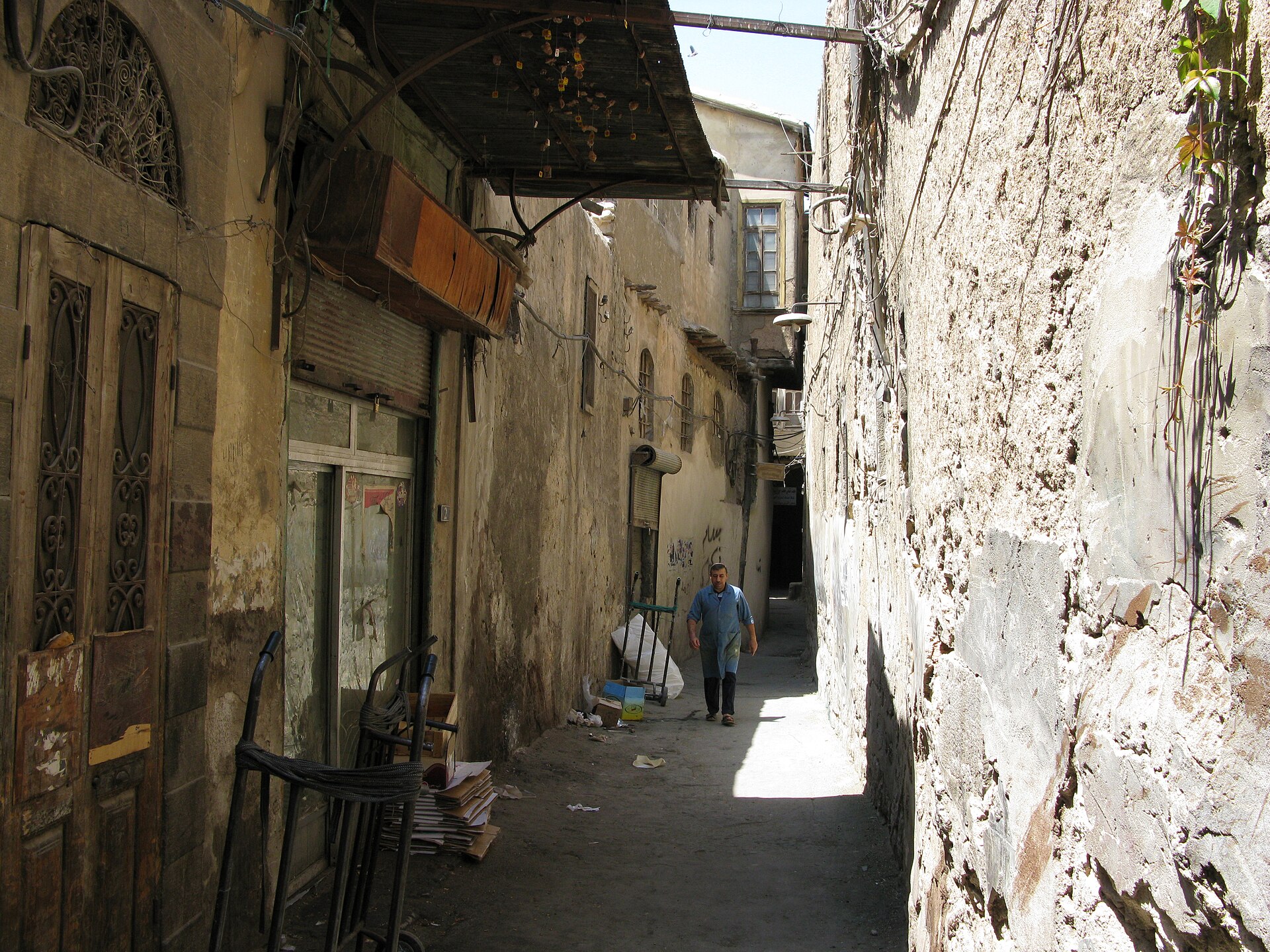
Belonging across regions and communities
Belonging is experienced differently in a coastal town, a northern city, a southern village or a Damascus suburb. It is shaped by local history, economic ties, family networks and the institutions people deal with each day.
We are interested in how people describe these attachments in their own terms, and in how local belonging relates to wider ones.
Generational change and changing aspirations
Different generations carry different reference points: what they remember, what they were taught, what they expect from work, family and public life. Younger Syrians have often come of age in conditions their parents did not anticipate.
These differences are not only conflicts. They are also a record of how a society adjusts.
Displacement, return and diaspora
Large numbers of Syrians have moved within the country or abroad. Some have returned, some are considering it, and many have built lives elsewhere. Each path produces its own knowledge and its own losses.
We want to understand these experiences without treating any of them as the definitive Syrian story.
Language, memory and everyday social practice
Dialects, idioms, ways of greeting, hosting, negotiating and grieving carry social knowledge that rarely appears in formal accounts of culture. So do the ways people remember, and choose not to remember, difficult periods.
Shared references are not a single identity
People can share foods, songs, proverbs and habits while disagreeing profoundly about what they mean. Recognising common references does not require agreeing on a single national identity.
Keeping these two ideas apart may help conversations about Syria avoid both fragmentation and forced uniformity.
Questions we are not trying to settle
This platform does not claim to define who is authentically Syrian, to establish a definitive national narrative, or to decide which identities should prevail.
Its aim is narrower: to create space for careful observation, informed disagreement and perspectives grounded in lived experience.
Dignity as an everyday measure
Much of what people mean by belonging may be measured less in symbols than in dignity: whether one is addressed with respect at an office counter, whether one's dialect is mocked or understood, whether a rural origin is a disadvantage in the city. These experiences are small and cumulative, and they shape how people relate to one another and to institutions.
A working proposition: attention to everyday dignity may reveal more about the state of a society's identity than debates about its definition.
Geography that divides and connects
Displacement, checkpoints, borders and economic pressure have changed who meets whom. Some people now live closer to neighbours from other regions than ever before; others have lost contact with their own families. We do not know how these new proximities and separations will settle, and we think the question deserves patient observation rather than early conclusions.
What we know
- Syrian society includes multiple languages, religious communities and regional traditions.
- Displacement and migration have separated many families across countries.
What remains unclear
- How people currently describe their own belonging, and how that differs by age and place.
- Which everyday practices are changing fastest, and why.
Open questions
- 01
Which experiences of contemporary Syrian life remain poorly understood?
- 02
How do different generations interpret belonging and change?
- 03
What kinds of conversations are difficult to hold across existing social divides?