Why Now
Why these questions matter now
Periods of transition create pressure to act quickly. They also create a risk: decisions about the future may be made before enough attention has been given to the society those decisions will shape.
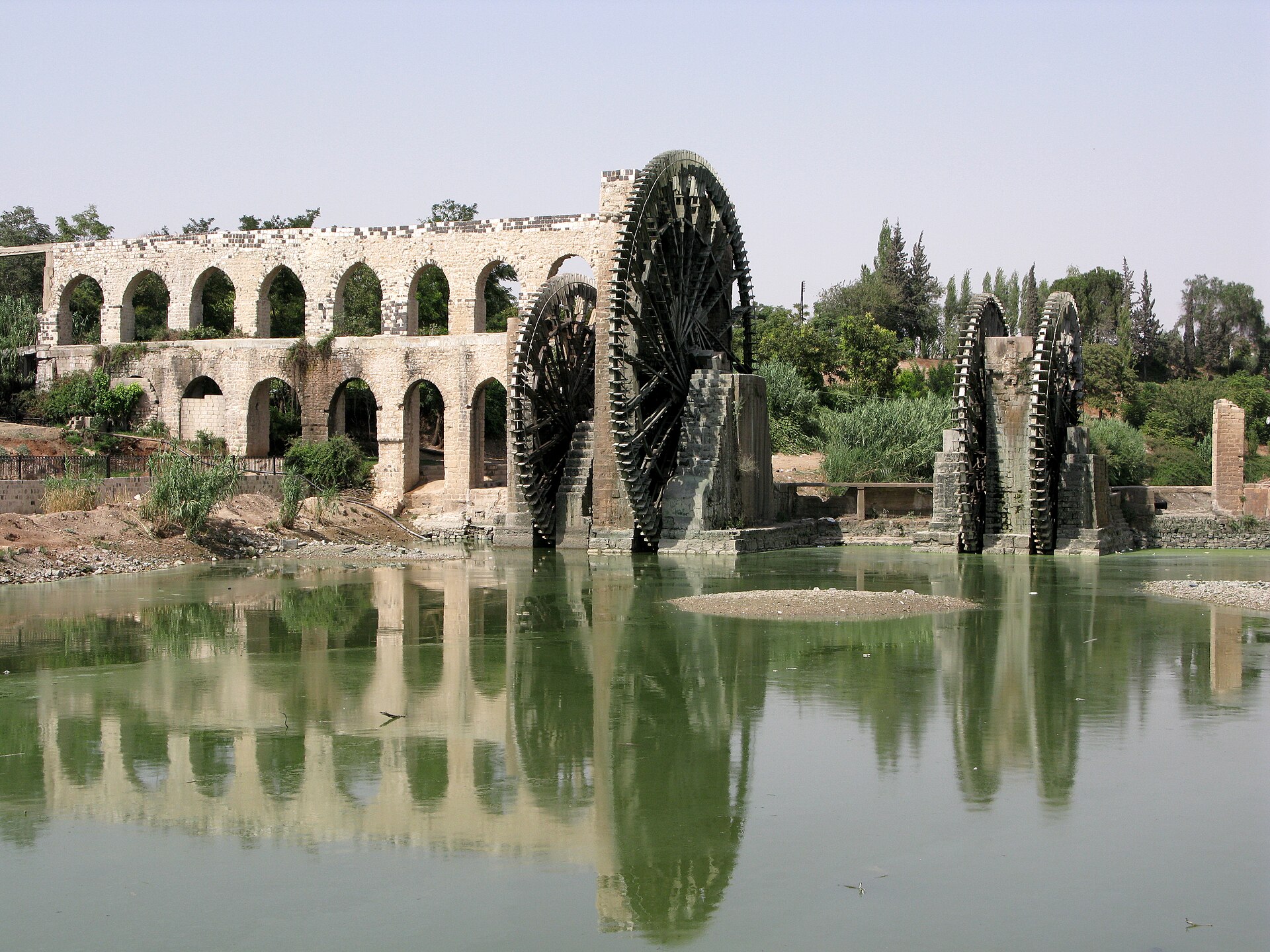
Modernization without cultural simplification
Modernization brings new technologies, economic practices, new spheres of business, infrastructure, products and ways of organizing life. These changes can create opportunity, but they can also encourage societies to equate progress with unexamined imitation.
The question is how contemporary systems can be developed or adapted in ways that respond to local conditions: climate change, materials and available resources, household structures, informal economies, social expectations and the realities of purchasing power.
A borrowed system is never only a tool. It carries assumptions about how people live, what they can afford, who maintains it and who decides. Asking which of those assumptions hold in a Syrian town, and which do not, is a cultural question as much as a technical one.
Heritage as a living resource
Heritage has value beyond what has merely been preserved. Skills, materials, social practices, design principles and accumulated knowledge may inform new products, services, places and institutions.
This requires interpretation and experimentation. Literal reproduction of historic forms keeps the appearance of the past and often loses the reasoning that once made it useful.
What is inherited is also uneven. Some knowledge survived because it was useful; some because it was prestigious; some disappeared for reasons unrelated to its worth. Treating heritage as a resource means asking these questions openly rather than assuming that everything old is wise, or that everything lost was obsolete.
The missing conditions for creative production
Creative talent requires more than inspiration. It needs education, mentorship, professional opportunities, access to tools, viable markets, sustained supporters, and the freedom to experiment.
We want to investigate the presence of these conditions or their absence, whether wholly or in part, and what allows creative work to become a sustainable part of social and economic life. We anticipate that the answers will consistently differ by field and by place.
The diaspora and the question of perspective
Syrians who live in Syria and those in the diaspora may possess different forms of knowledge and experience. Neither perspective is inherently complete.
These perspectives can inform one another. That exchange works best when the diaspora does not capture the interpretation of the country, and when distance and geographical separation are not assumed to create objectivity.
The future is not a predetermined outcome
Syria’s future is not a single destination waiting to be reached. There are possible futures, competing priorities and decisions still to be made, many of them by people whose voices are rarely part of public debate.
Our purpose is to examine those possibilities and the choices that may shape them, to attend to all voices, without claiming to know which will prevail.
This is, in the end, a question about judgement: who is trusted to decide what a good outcome looks like, on what knowledge, and with what accountability to the people who will live with the result.
What we know
- Syria is going through a period in which many decisions about the conception of everyday life, cities and rural areas, work, institutions, and how members of society relate to one another are being made or reconsidered.
- Large numbers of Syrians live outside the country, and their connection to it takes many forms.
What remains unclear
- How much room there is, in practice, for cultural inquiry to inform these decisions.
- Which audiences inside and outside Syria would find this work useful, in what form, and how they can draw on it in daily practices and practical work.
What do we open up when change is guided by a more precise understanding of society?